Architecture · Urban health · Wellbeing
The spaces we inhabit shape the way we live, feel and think.
My work is to understand those relationships, represent them clearly, and help design built environments not only so that people live longer, but so that they can inhabit themselves better.
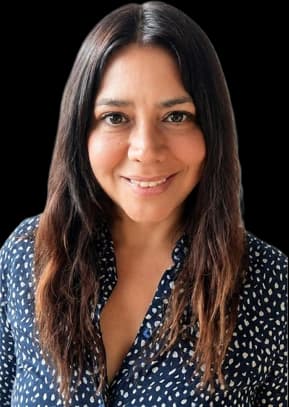
Liliana Salaverry
Architect specialized in urban health
Who I am
I'm Liliana Salaverry, an architect specialized in urban health.
I work at the intersection of the built environment, urban health and human capacities — translating scientific evidence so that spaces contribute to the wellbeing and flourishing of those who inhabit them.
A practice with two dimensions: concrete assessment and consulting services, and Habitarse — the research platform that explores the deeper horizon.
See my backgroundContext
“According to the World Health Organization, the environments in which we are born, grow, live and work largely determine our health and quality of life. Yet most of the spaces we inhabit have not been assessed or designed from a comprehensive health and wellbeing perspective.”
My work is to assess built environments from this perspective — translating scientific evidence into concrete tools and proposals for those who design, plan and manage the spaces we inhabit.
What I offer
Services for spaces that care for the people who inhabit them
Space Assessment for Health and Wellbeing
Systematic assessment of built environments at urban and architectural scale — public spaces, facilities, housing and everyday-use environments — from the intersection of health, wellbeing and environmental sustainability criteria.
Learn moreTerritorial Urban Health Diagnosis
Analysis of how the environmental, social and urban conditions relevant to health are distributed across a territory, to identify spatial patterns, inequalities and priority areas.
Learn moreStrategic Consulting for Healthy Projects
Review and guidance of urban or architectural projects to integrate health and wellbeing criteria from the design phase onward.
Learn moreHealthy Urban Planning Advisory
Technical support for local governments in incorporating health, wellbeing and sustainability criteria into their urban planning documents.
Learn moreFree Initial Session
A 30-minute exploratory conversation to identify needs and explore possibilities for collaboration — with no prior commitment.
Learn moreHabitarse
Space is not only inhabited. It also takes part in how we attend, perceive and relate to our own experience.
This relationship is neither automatic nor the same for everyone. What a place allows depends on its physical, social and environmental conditions, but also on whether there are real opportunities to recognise its qualities, understand how they affect us, use them and choose how to relate to the place.
Habitarse researches how public space can widen those opportunities. To do so it creates and evaluates small interventions tied to specific places — questions, cues, routes or sensory invitations — that invite us to stop, observe, listen, notice how we respond, contemplate and reflect.
It is an independent project-platform for research, representation and design, with a transdisciplinary vocation. It draws on knowledge from public health, environmental psychology and research on attention and restoration, and aligns with the WHO's general health promotion framework. It brings that knowledge into concrete, accessible and evaluable urban experiences, designed to produce new urban evidence.
Existing evidence. New urban application. Rigorous evaluation.
Pilot underway
The Habitarse pilot
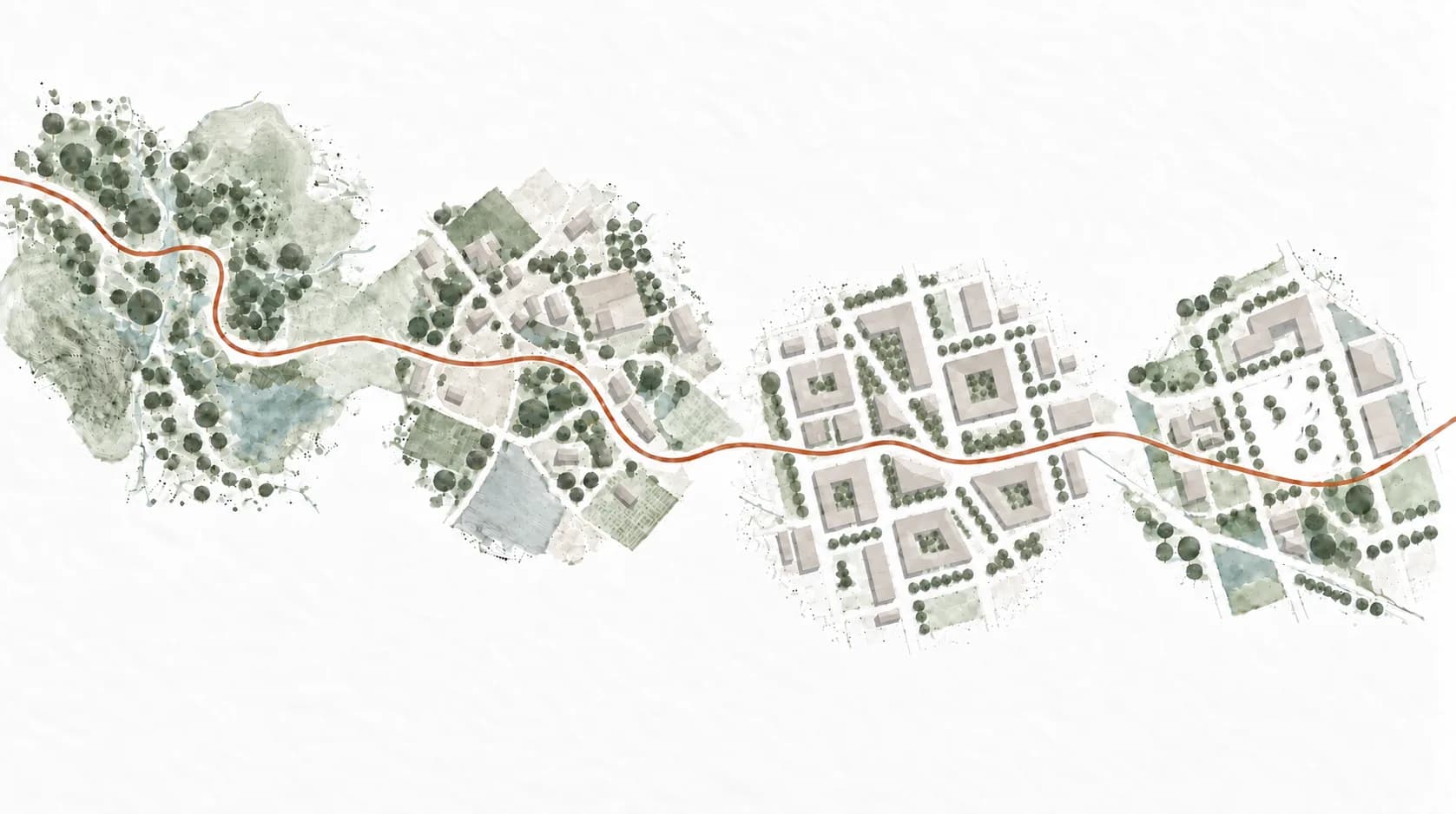
I'm currently developing the first Habitarse pilot: an urban pause-and-wellbeing intervention that seeks to identify how small transformations of public space can foster measurable human capacities — attention, emotional regulation, cognitive restoration — in people's everyday lives. Each point along the route works as a device for attentional reorientation, designed to invite a conscious pause in the middle of the everyday journey.
The pilot works with an indicator protocol under development, grounded in scientific evidence on cognitive restoration, emotional regulation and urban health — and seeks to generate replicable evidence on how public space can foster people's wellbeing in their daily lives.
It is open to collaborations with institutions, universities, collectives and local organizations interested in exploring and co-building together how urban space can contribute to the wellbeing of those who inhabit it.
Frequently asked questions
What is urban health?+
It's the field that studies how the built environment — streets, parks, housing, facilities — influences people's physical, emotional and social health. The WHO recognizes the environment as one of the main determinants of health.
Who are your services for?+
They are aimed at municipalities, architecture practices, NGOs, foundations and institutions in Spain and Latin America that need to assess environments or interventions, understand territorial health challenges, or bring health, wellbeing and equity criteria into urban projects, plans and policies.
What is the difference between the professional services and Habitarse?+
The professional services respond to specific commissions: they assess spaces and interventions, analyse territorial conditions and inform decisions on projects and plans.
Habitarse is an independent research and experimentation project-platform that formulates and evaluates questions of its own about how public space and the experience of inhabiting it can widen everyday opportunities to pay attention, perceive consciously, contemplate and reflect in relation to places.
Both share a foundation in urban health, environmental psychology, design and evaluation, but they serve different purposes. The findings of one are not assumed for the other.
How do I start working with you?+
The first step is a free 30-minute initial session, with no commitment, where we explore your project's needs.
Do you work outside Spain?+
Yes. I work in person in Spain and remotely with municipalities, NGOs and institutions in Latin America.
If you have a project, a space or a planning process you'd like to look at from an urban-health perspective — or you simply want to know more about this work — there are several ways to take the first step.
If you'd like to follow the process closely, I regularly share reflections on urban health, space and human experience on LinkedIn and Instagram — and in the Reflections section of this site.